Where to recycle bouquets and floral foam in Purfleet
Posted on 21/10/2026
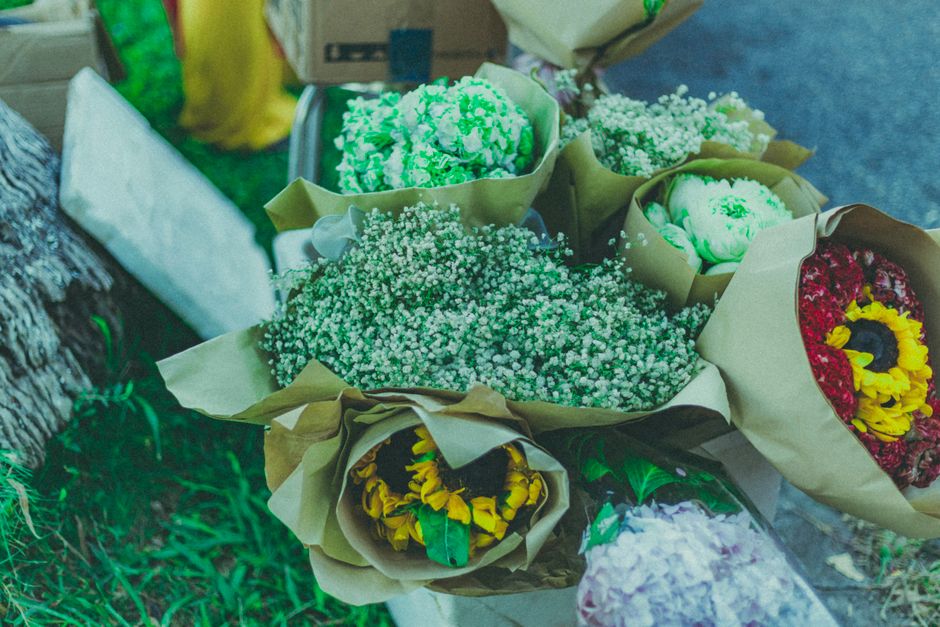
If you've just finished enjoying a beautiful bouquet and you're left with stems, wrapping, ribbons, water-soaked packaging, and that awkward green floral foam block, you're not alone. Knowing where to recycle bouquets and floral foam in Purfleet can feel surprisingly unclear, especially when each part of the arrangement may need a different route. The flowers themselves are one thing. The foam is another entirely. And the packaging? Well, that depends on what it's made from.
This guide breaks it all down in plain English. You'll learn what can usually be reused, what may be recyclable, what should go in general waste, and how to handle mixed materials without making a mess of it. If you want a practical, local-minded answer rather than vague advice, you're in the right place.
And yes, there is a sensible way to deal with the lot without overthinking it for half an hour at the kitchen bin. Let's get into it.
Table of Contents
- Why this matters in Purfleet
- How bouquet and floral foam recycling works
- Key benefits and practical advantages
- Who this is for and when it makes sense
- Step-by-step guidance
- Expert tips for better results
- Common mistakes to avoid
- Tools, resources and recommendations
- Law, compliance, standards, or best practice
- Options, methods, or comparison table
- Case study or real-world example
- Practical checklist
- Conclusion
- Frequently asked questions
Why Where to recycle bouquets and floral foam in Purfleet Matters
Fresh flowers don't stay fresh forever. That's obvious. But what catches people out is how many different materials are hiding inside a single bouquet. A hand-tied bunch may include paper wrap, cellophane, elastic bands, ribbon, plastic sleeves, tape, twine, cards, and occasionally a plastic water source or pick. Funeral sprays, tribute arrangements, and display pieces can also include floral foam, wire, clips, and other bits that are not always obvious until you start taking the arrangement apart.
In Purfleet, as in the rest of the UK, the goal is usually to separate recyclable materials from non-recyclable ones as cleanly as possible. That saves space in household bins, reduces contamination, and makes it easier to dispose of the leftovers in a responsible way. More importantly, it stops people from assuming that everything "plant-based" can go straight into recycling. Sadly, it doesn't quite work like that. A damp flower head and a clean cardboard box are not the same thing in the eyes of the bin.
There's also a practical side. If you regularly receive flowers for birthdays, anniversaries, sympathy occasions, or weddings, you'll notice the waste adds up. A few arrangements here and there can quickly become a weekly habit. Understanding the right disposal route now makes life easier later. Simple, really.
Key takeaway: treat bouquets as mixed material items. Some parts can be recycled or composted, some can be reused, and floral foam usually needs careful handling because it is generally not accepted in standard household recycling.
How Where to recycle bouquets and floral foam in Purfleet Works
The easiest way to think about bouquet disposal is to separate it into three groups: organic material, recyclable packaging, and non-recyclable accessories. That's the basic structure. The tricky bit is that bouquets rarely arrive neatly separated. They're designed to look lovely, not to be sorted by a recycling officer with a cup of tea.
1. Organic parts
Flowers, stems, leaves, and any untreated greenery are typically the most straightforward part. If you compost at home, they may be suitable for a compost bin. If you don't compost, they can usually go in general waste unless your local food and garden waste arrangements accept them. You should be careful with heavily treated flowers, large amounts of florist wire, or plants soaked in preservatives, because they may not belong in a compost stream.
2. Packaging
Paper wrap may be recyclable if it is clean and dry. Cardboard sleeves or cards often are too, depending on local rules and whether they are contaminated with moisture or glitter. Plastic sleeves are more complicated; if they are soft plastic film, they usually do not go into the standard mixed recycling unless your local collection specifically accepts them. Cellophane can also be confusing because it looks like plastic, behaves like plastic, and yet is not always accepted in the same way. Annoying? A bit.
3. Floral foam
Floral foam, often called oasis, is the part that needs the most caution. It is used to hold stems in place and keep arrangements hydrated. The problem is that it breaks down into tiny particles and is generally not accepted in normal household recycling. It is not something to rinse and toss into the mixed bin with confidence. In many cases, it needs to go in general waste, though you should always consider local disposal guidance and whether the florist or event organiser has arranged a dedicated take-back or waste route.
For local buyers sending flowers or choosing arrangements, it helps to know that product formats can affect waste handling. A gift bouquet from a Purfleet florist may have much simpler packaging than a large event arrangement. If you're choosing flowers for a specific occasion, options like all flowers or florist choice can sometimes arrive in cleaner, more standard packaging than highly decorative designs.
Key Benefits and Practical Advantages
Sorting bouquets properly is not just about being tidy. It has real everyday benefits, especially if you live in a flat, share bins, or manage regular flower deliveries.
- Less contamination: keeping food waste, wet stems, foam, and recycling apart improves the chance that recyclable packaging actually gets recycled.
- Easier bin management: bouquets can create a lot of bulky waste for something so small. Breaking them down makes disposal less frustrating.
- Better composting: if you compost at home, fresh plant material can be a useful addition rather than dead weight in the rubbish bin.
- Cleaner shared spaces: in communal bin areas, sorted waste smells less and takes up less room.
- More responsible purchasing: once you understand waste streams, you'll naturally start choosing bouquets and arrangements that create less waste in the first place.
There's also a more subtle benefit: you feel in control. That matters. Throwing away a lovely bouquet should not feel wasteful or confusing. A little sorting goes a long way.
If you're shopping for flowers with disposal in mind, arrangements from the best sellers range often give you a straightforward starting point because the formats are usually familiar and easy to unpack. Not glamorous advice, maybe, but practical advice tends to win on a rainy Tuesday.
Who This Is For and When It Makes Sense
This topic matters to a wider group than most people expect. You might only think about bouquet disposal after a birthday, but it comes up in plenty of situations.
- Households handling weekly or occasional flower gifts.
- Couples clearing wedding flowers after the big day.
- Event organisers dealing with large decorative arrangements.
- Funeral and memorial arrangers who need respectful, tidy aftercare for tributes.
- Small businesses receiving flowers for receptions, launches, or corporate events.
- Renters and flat sharers who need to minimise bin waste and avoid smelly overflow.
It especially makes sense when the arrangement contains floral foam, heavy wrapping, or mixed decoration. If the bouquet is simple and hand-tied, the job is easier. If it arrived in a presentation box with ribbons, sleeves, water picks, and a foam base, then a bit of careful sorting is the way forward.
And if you've ever stood at the counter asking yourself, "Right... which part of this is actually recyclable?", you are absolutely not the only one.
Step-by-Step Guidance
Here's a practical way to deal with bouquets and floral foam without making it complicated.
- Take the bouquet apart gently. Remove ribbon, elastic bands, card toppers, plastic sleeves, and decorative picks first. Keep an eye out for hidden wire or tape.
- Separate the flowers from the packaging. Flowers and stems should be handled separately from paper, plastic, and foam. If the stems are tied with twine, snip that off too.
- Check what can be reused. Clean vases, jars, tie ribbons, and presentation boxes may be usable again. Some people keep florist boxes for gift storage or moving house, which is fair enough.
- Sort clean paper and card. Dry cardboard sleeves or inserts can often go in paper or card recycling if your local rules accept them.
- Assess plastic wrap carefully. If it is a soft film or cellophane-type wrap, it may need general waste unless you have a local soft plastic collection route.
- Handle floral foam separately. Do not crumble it unnecessarily. Bag it if needed and place it in general waste unless you have a specific disposal route from the florist or event organiser.
- Compost the plant material if suitable. Fresh flowers and untreated stems can often go into home compost. Remove non-organic bits first. No glitter, no wire, no floral foam. That's the rule of thumb.
- Rinse and reuse containers. Vases and buckets should be cleaned before storing or recycling, otherwise residue can create smells and contamination.
If you're dealing with a funeral tribute or wedding arrangement, you may want to take a slower approach. These pieces often include denser materials, thicker wire, or attached message cards. It's worth checking item by item rather than rushing.
Expert Tips for Better Results
From a practical sorting point of view, the biggest gains usually come from small habits. Here are a few that make life noticeably easier.
Keep a "flower disposal" bag ready
A small caddy bag or paper sack near the sink makes it easier to separate stems, wrap, and foam as soon as the bouquet comes apart. Otherwise everything gets dumped together and the recycling chance goes out the window.
Don't soak floral foam before disposal
People sometimes assume soaking foam will make it safer to handle. It does make it heavier and messier, though, and it can shed tiny fragments. Best to handle it as little as possible.
Think before composting
Compost is brilliant, but not everything "natural" belongs there. Avoid composting preserved flowers, glittered stems, wire, thick adhesive tape, or anything with a synthetic coating. One bad handful can create a nuisance.
Reuse what looks useful
Clean ribbon, decorative wrap, and sturdy boxes can be surprisingly handy for gifts, craft projects, or storage. A tidy flower box can live another life in a cupboard for months. Bit of a quiet win.
Choose lower-waste flower formats when possible
If you send flowers regularly, consider simpler arrangements and product formats that use less decorative packaging. Options like flowers in a vase can reduce the need for extra wrapping, while flowers by post in Purfleet may arrive in packaging designed for transit efficiency rather than heavy display materials.
And truth be told, once you start noticing packaging quality, you can spot the difference immediately. Some arrangements are beautifully efficient. Others are basically a small storage unit with flowers attached.
Common Mistakes to Avoid
Most disposal mistakes happen because people are in a hurry. Fair enough. Flowers fade, bins fill up, and nobody wants to spend ages sorting petals from plastic. But a few missteps are worth avoiding.
- Putting floral foam in recycling. This is the big one. It is usually not accepted in standard household recycling.
- Leaving wet stems in paper recycling. Damp or dirty paper can contaminate the whole load.
- Assuming all "green" materials are compostable. Some decorative wraps look eco-friendly but aren't.
- Forgetting hidden wire and clips. Small metal pieces can slip through and create problems later.
- Mixing packaging with compost. Even tiny bits of ribbon or cellophane can ruin a home compost batch.
- Recycling dirty containers. A vase or bucket with flower residue may need a rinse before reuse or recycling.
Another common one: people keep a bouquet in water far too long, then try to sort it when the stems are soggy and collapsing. At that point the job is much less pleasant. If you can, sort things while they're still manageable.
Tools, Resources and Recommendations
You do not need specialist equipment to recycle bouquets properly. A few household items are usually enough.
| Item | What it helps with | Useful note |
|---|---|---|
| Kitchen scissors | Cutting stems, ties, and packaging tape | Keep them separate from food prep tools if possible |
| Small bin bag or paper sack | Collecting floral foam and mixed waste | Useful for keeping mess contained |
| Compost caddy | Holding flower stems and petals | Best for fresh, untreated plant material |
| Reusable storage box | Saving ribbons, boxes, or dry wrap | Handy if you reuse packaging |
| Gloves | Handling sticky stems or foam fragments | Not essential, but useful for larger arrangements |
On the shopping side, choosing better-structured bouquets can reduce cleanup later. If you prefer classic displays, browse options such as roses or lilies, which often arrive in relatively straightforward wraps. For occasions where a stronger presentation is needed, luxury flowers can look excellent, but it's still worth checking how much packaging is involved.
If you want flowers delivered with less hassle, the broader service options such as flower delivery in Purfleet, same-day flower delivery, and next-day flower delivery can help you plan around when you'll actually have time to unpack, sort, and dispose of the leftovers properly.
Law, Compliance, Standards, or Best Practice
For ordinary household bouquets, there usually isn't a special legal process you need to follow. That said, waste handling in the UK generally works on a simple principle: separate materials where practical, keep recycling streams clean, and follow the guidance for your local collection service.
Floral foam is where best practice matters most. Because it is a synthetic material used across floristry and events, it is generally handled as residual waste rather than recycling. If you are managing flowers for a business, venue, or event, it makes sense to treat floral foam as part of your non-recyclable waste plan from the start, rather than hoping it can be sorted later.
For commercial or repeated use, it also helps to think about supplier expectations and internal waste procedures. A florist, venue, or office that buys flowers regularly may prefer arrangements that reduce packaging or use simpler presentation. That can be part of a wider sustainability approach, especially where waste volume is recurring.
If you are ordering flowers for an occasion and want to keep standards high while reducing waste, look at the business information and company policies available on pages like sustainability, guarantees, and returns and refund information. These pages do not replace local waste guidance, of course, but they do help set expectations around service and responsible practice.
Options, Methods, or Comparison Table
Different parts of a bouquet need different disposal methods. Here's a clear comparison to make the decision quicker.
| Material | Best option | Usually avoid | Notes |
|---|---|---|---|
| Fresh flowers and stems | Home compost or general waste | Mixing with plastic or wire | Remove non-organic parts first |
| Clean paper wrap | Paper/card recycling if accepted | Recycling when wet or greasy | Dryness matters more than people think |
| Card insert or gift tag | Paper recycling or reuse | Leaving attached to plastic wrap | Separate before disposal |
| Plastic sleeve or film | Special soft plastic route if available, otherwise general waste | Standard paper recycling | Check local collection rules |
| Ribbon and wire | Reuse where possible, otherwise general waste | Paper recycling | Small items are easy to miss |
| Floral foam | General waste | Normal recycling or compost | Usually not accepted in recycling |
There's a big difference between what can be reused and what should be recycled. Those two ideas get tangled up a lot. Not the same thing at all.
Case Study or Real-World Example
Imagine a typical Saturday in Purfleet. You've had a birthday bouquet delivered in the morning, and by late afternoon the wrapping is piled on the kitchen side next to the vase. There's a cardboard sleeve, a clear plastic cover, ribbon, a message card, and the stems are sitting in a small block of floral foam because the arrangement was designed for display on a buffet table.
Instead of dumping everything together, you separate it in stages. The message card goes with dry paper items. The cardboard sleeve, once flattened and kept dry, can be set aside for recycling if your local collection accepts it. The ribbon gets saved because it's still good enough for another gift. The flowers are removed from the foam and trimmed for the compost caddy, while the foam itself goes into general waste. A clean vase is washed and put back in the cupboard.
It sounds like a lot written out, but in practice it takes only a few minutes. The real difference is that you avoid contaminating the recycling and keep reusable items from being thrown away needlessly. Small effort, decent result.
We see the same pattern with sympathy arrangements too. Families often want to handle the flowers respectfully and avoid waste, but they also want something simple and calm. In those cases, it helps to choose a format that is easy to remove from packaging and dispose of with care. Arrangements like funeral flowers or sympathy flowers often come with different materials than a standard gift bouquet, so a slow, careful sort is usually best.
Practical Checklist
Use this quick checklist when you're sorting a bouquet or floral arrangement in Purfleet.
- Remove flowers from the wrapping before anything else.
- Check for ribbon, string, tape, wire, and plastic ties.
- Separate clean paper and cardboard from damp or dirty materials.
- Set aside any reusable items like vases, boxes, or ribbon.
- Keep floral foam out of recycling unless you have a clearly stated specialist route.
- Place fresh stems and petals in compost only if they are untreated and free from non-organic parts.
- Rinse containers before storing or reusing them.
- Do not mix wet bouquet waste with dry paper recycling.
- Look again for small hidden items before closing the bin bag.
- Choose lower-waste flower formats next time if packaging has been a problem.
If you want to make future cleanup easier, consider delivery timing too. Morning deliveries are often simpler to sort than late evening ones, especially if you're already juggling dinner, school runs, or work. A tiny detail, but it helps.
Conclusion
Knowing where to recycle bouquets and floral foam in Purfleet comes down to one simple idea: treat each part of the arrangement separately. Fresh flowers can often be composted or disposed of as general waste. Clean paper and card may be recyclable. Plastic wrap, ribbon, wire, and floral foam need more caution, and foam is usually best kept out of standard recycling altogether.
Once you get used to sorting bouquets this way, it becomes second nature. You save space in the bin, reduce contamination, and make better choices when ordering flowers in the future. That's a proper little win, really.
If you're planning your next bouquet, choosing a more practical arrangement format can make disposal much easier later on. And if you ever find yourself staring at a bundle of stems, ribbon, and foam wondering where to begin, start small. One item at a time. It always works better than trying to do the whole lot in one go.
Get a free quote today and see how much you can save.
Frequently Asked Questions
Can I put floral foam in household recycling in Purfleet?
In most cases, no. Floral foam is generally not accepted in standard household recycling because it is a synthetic material and can break into small fragments. The safer default is general waste unless a specific waste provider or florist has given you different instructions.
Can I compost flowers from a bouquet?
Yes, often you can compost fresh flowers, stems, and leaves if they are untreated and free from plastic, wire, glitter, or foam. If the bouquet includes preserved materials or heavy decoration, separate those first and compost only the clean plant matter.
What should I do with plastic bouquet wrap?
That depends on the type of plastic and your local collection options. Soft plastic film may need a specialist soft plastic route, while some wraps should go in general waste. It is usually not suitable for paper recycling, even if it looks thin and harmless.
Are cardboard flower boxes recyclable?
Usually yes, if they are clean and dry. If the box has been soaked, stained, or lined with plastic film, it may no longer be suitable for paper recycling. Dry cardboard is the best bet.
Can florist ribbon be recycled?
Not usually through normal household recycling. Ribbon is often better reused for gifting, craft projects, or storage labels. If it is too worn to keep, it generally goes in general waste.
What is the best way to remove floral foam from an arrangement?
Work gently and remove the stems first where possible. Then lift the foam out in one piece, if you can, instead of crumbling it. That makes handling cleaner and reduces the chance of bits scattering everywhere.
Do funeral flowers have different recycling rules?
The disposal principles are broadly the same, but funeral tributes often contain more wire, foam, and attached cards or shapes. Because of that, they need more careful sorting and a slower approach. Respect matters here, naturally.
Can I reuse a vase or florist box?
Yes, absolutely. A clean vase is one of the easiest things to reuse, and sturdy florist boxes can be handy for storage or future gifting. Just make sure everything is dry and clean before putting it away.
What if my bouquet has both paper and plastic wrap together?
Separate the materials if you can. Paper that is clean and dry may be recyclable, while plastic wrap usually needs a different route. If the materials are heavily glued together and cannot be separated cleanly, the safer option is often general waste for the contaminated part.
How do I reduce waste the next time I order flowers?
Choose simpler arrangements, ask for less packaging where possible, and look for formats that are easier to unpack and sort. Delivery choices like hand-tied bouquets or flowers in a vase can sometimes reduce the amount of leftover material. It is one of those small habits that pays off quietly.
Is floral foam ever compostable?
Standard floral foam is generally not treated as compostable in household systems. There may be niche or specialist products in the market, but you should not assume any foam can go into compost. Check the product type carefully if you are unsure.
What's the quickest way to deal with bouquet waste after delivery?
Take it apart in a simple order: flowers, clean paper, plastic wrap, ribbon, then foam. If you do that near the bin or compost caddy, cleanup becomes much faster. Honestly, five minutes done properly is better than twenty minutes of sorting mixed rubbish later.